
Where We Replace Windows and Doors Around Augusta
Our office is on Western Avenue in Augusta, and we replace windows and entry doors in the 21 towns around it, from Hallowell and Gardiner on the Kennebec to the Belgrade Lakes and the Sheepscot River towns. Each town's page has its own housing facts, permit notes and average costs.
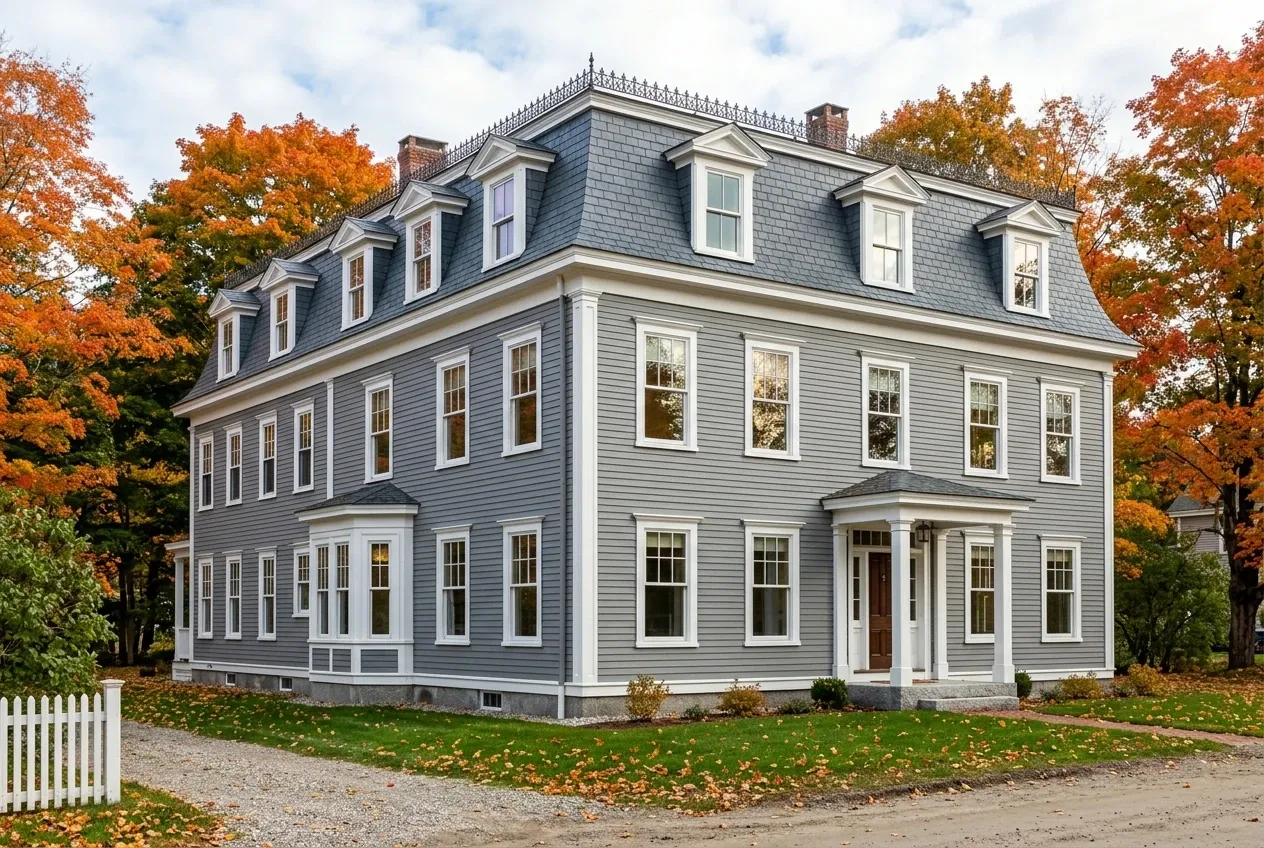
Down the Kennebec
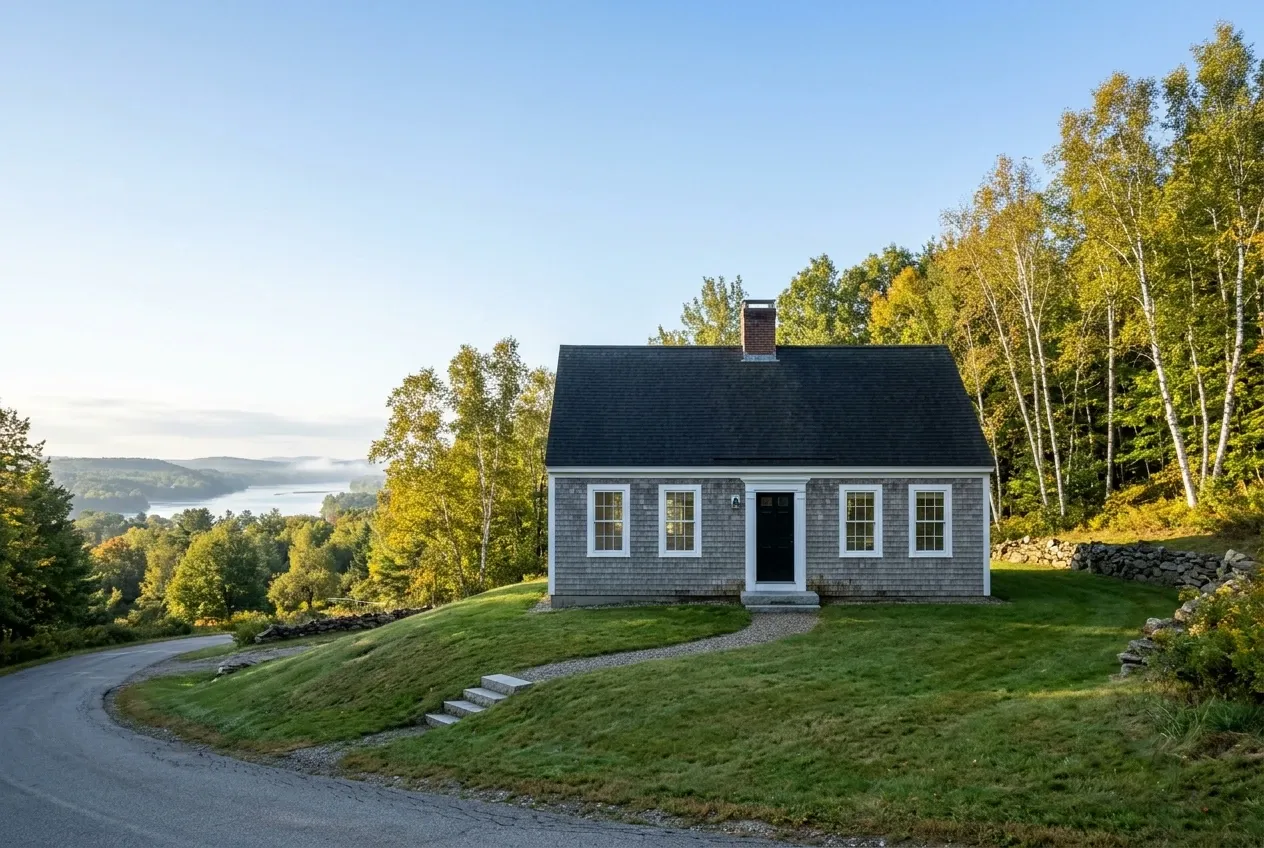
West to the lakes
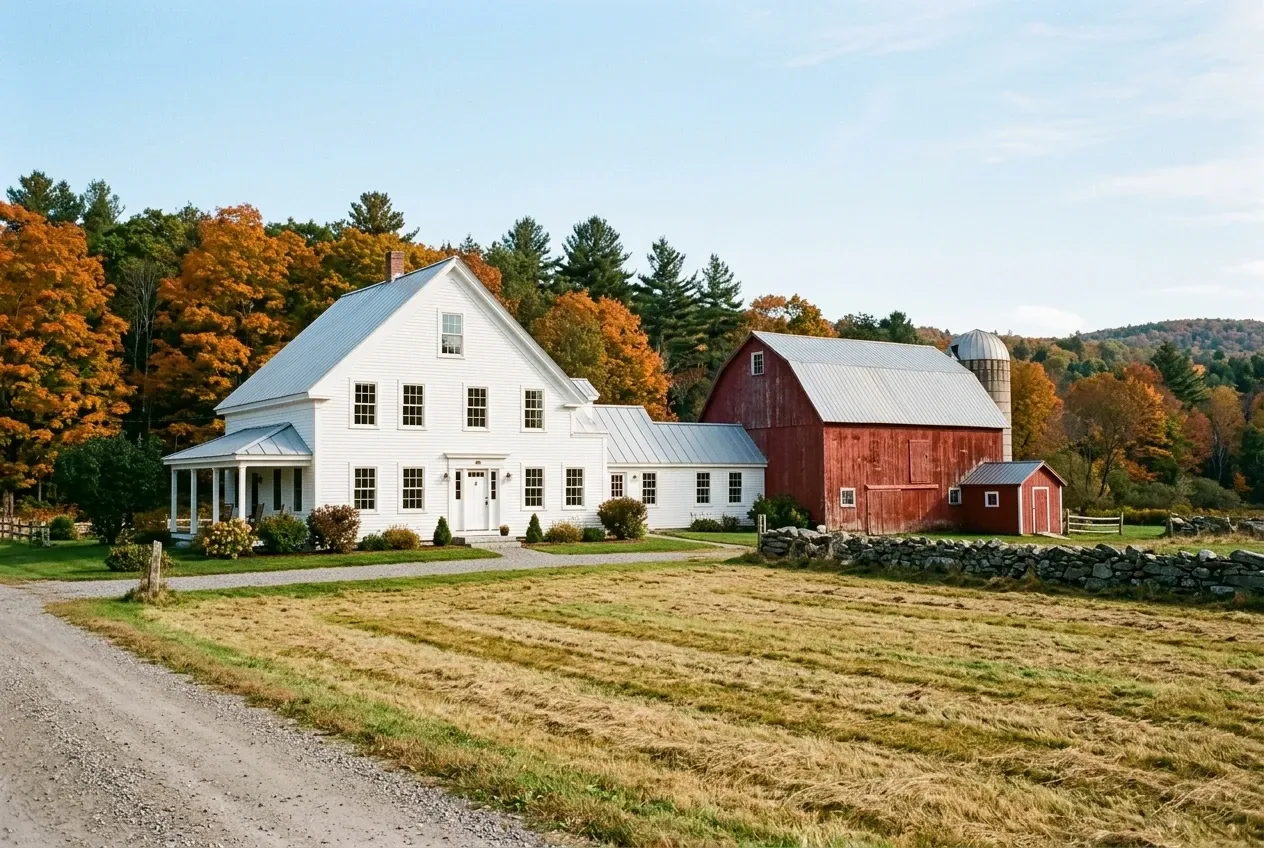
North and east, the ponds and hill farms
- Windows and entry doors, nothing else
- Free estimate requests
- 22 Kennebec Valley towns, Augusta to Wayne
Which Towns Down the Kennebec From Augusta Do We Serve?
- Hallowell, MEHallowell's trade once ran on shipbuilding, publishing, granite quarried from 1815 and ice for export. Its National Register district counts about 450 buildings, most of them built before 1900 and half of them standing before 1865.
- Farmingdale, MEFarmingdale was incorporated in 1852 from parts of South Hallowell and North Gardiner, among others, and its houses cluster on the Kennebec side while the back land stays open and rural. At Bowman's Point the Knickerbocker ice house burned in the mid-1890s, and its chimney stood until the Central Maine Power plant went up in 1911.
- Randolph, MERandolph covers 2.23 square miles on the Kennebec's east bank at the mouth of Cobbosseecontee Stream, which makes it Maine's smallest mainland town by area. From 1890 to 1929 the Kennebec Central Railroad ran from here to the National Soldiers' Home at Togus.
- Gardiner, MEGardiner sits where Cobbosseecontee Stream falls 130 feet to the Kennebec, and by 1850 it was one of the river's leading ports, with eight dams on the stream powering its mills. The Edwin Arlington Robinson House on Lincoln Avenue is a National Historic Landmark.
- Pittston, MEPittston was incorporated in 1779 and named for the family of John Pitt, early settlers, and its villages include East Pittston, North Pittston and Bailey Corner. The Major Reuben Colburn House, now a state historic site, stands on Arnold Road off old Route 27.
- West Gardiner, MEWest Gardiner's villages are Browns Corner, Frenchs Corner and Spears Corner, and the town fronts Pleasant Pond and Cobbosseecontee Stream, where the Wakefield Wildlife Sanctuary keeps 113 acres. Exit 102 of the Maine Turnpike sits inside its lines.
- Dresden, MEDresden was settled in 1752 as Frankfort by French and German Huguenots and took its present name in 1794. In winter, smelt fishing shacks go up on the Eastern River ice.
Which Lake Towns West of Augusta Do We Cover?
- Manchester, MECobbosseecontee Lake and Hutchinson Pond both lie inside Manchester, whose name in the early nineteenth century was The Forks. Housing held for seasonal use comes to 14.8 percent of the town's total.
- Winthrop, MEWinthrop was first called Pondtown, and its Ladies Delight Light, a 25-foot lighthouse built on Cobbossee Lake in 1908, is believed to be the only active inland lighthouse in Maine. The Winthrop Mills Company textile complex on Main Street is on the National Register.
- Readfield, MEReadfield holds parts of nine lakes and ponds, among them the northern half of Maranacook Lake and the southern half of Torsey Pond, and its active village centers are Readfield Depot, Readfield Corner and Kents Hill. Farm country in the 1700s, it was a manufacturing town by the mid-1800s, with canneries, oilcloth factories, woolen mills and tanneries.
- Monmouth, MEMonmouth began as Freetown in the 1770s, and with Cochnewagon Lake, Annabessacook Lake and the Tacoma Lakes inside its lines it became a summer resort town with many lakeside cottages. Cumston Hall on Main Street, finished in 1900 in wooden Romanesque Revival and Queen Anne style, is home to the Theater at Monmouth.
- Litchfield, MELitchfield's villages include Litchfield Corners, Litchfield Plains and Purgatory, and the Tacoma Lakes chain and Pleasant Pond reach into the town. Granite quarries, brick kilns and William Potter's sawmill and grist mill once worked here.
- Fayette, MEFayette is named for the Marquis de Lafayette and holds nine lakes and ponds, Echo Lake and Parker Pond among them. On Main Street the brick Joseph H. Underwood House, a Greek Revival of 1837, frames its openings with granite sills and lintels.
- Wayne, MEWayne is named for General Anthony Wayne, and 6.37 of its 25.63 square miles are water, with Androscoggin Lake the biggest of its lakes. The Androscoggin Yacht Club on Lake Street and the Wayne Town House of 1840 are both on the National Register.
How Far North and East of Augusta Do We Work?
- Chelsea, MEChelsea split from Hallowell in 1851 and runs along the Kennebec's east bank, with Togus in its north end, where a springs resort operated from 1859 to 1863 before the United States bought the land. Its villages are Chelsea, Chelsea Heights and Togus.
- Sidney, MESidney shares Messalonskee Lake, about nine miles long, with Oakland and Belgrade, and the New England Music Camp, founded in 1937, sits on 200 acres along the lake's eastern side. On West River Road the Powers House, built about 1770, is an important late Colonial house for the region.
- Belgrade, MEGreat Pond dominates Belgrade, one link in a chain of lakes that runs from East Pond to Messalonskee, and 14.69 of the town's 57.93 square miles are water. In Belgrade Lakes village the 1838 Chandler Store, built of granite blocks, is now a private home.
- Windsor, MEWindsor was first incorporated in 1809 as Malta, the scene of the Malta War over land rights, and went by Gerry before it took its present name. Its villages include Windsorville, Halls Corner and Windsor Station, and the West Branch of the Sheepscot River runs south through the town.
- Vassalboro, METhe Kennebec forms Vassalboro's western line, and its villages include Riverside, North Vassalboro and East Vassalboro, where the Revere House was once Alexander Graham Bell's home. On Bog Road the Philip Leach House, a Federal Cape of about 1805, is known for parlor stencilwork by Moses Eaton Jr.
- Whitefield, MEWhitefield was settled in 1770, mostly by Irish Catholics, and St. Denis Church in North Whitefield, built from 1833 to 1838, is the third oldest Catholic church in New England. Clary Mill, a wooden sawmill with its own pond, dam and penstock, is the last one left in a town that once lived on lumber.
- Somerville, MESomerville was Patricktown Plantation until 1858, and the Sheepscot River widens into Long Pond inside its lines, with small James Pond in the northwest. The town has no post office and no general store, and many of its families descend from settlers of the 1800s.
Where Is the House That Needs New Windows?
Give us the town and a rough count of the windows or doors you have in mind. We come out to check each one, and the price comes after that, in writing.