
Window and Door Services in Augusta and Hallowell
Vinyl windows, wood-clad windows and entry doors for the capital area and the 21 towns around it, each one priced only after we have measured the opening and run an awl into its sill.
- Windows and entry doors, nothing else
- Free estimate requests
- 22 Kennebec Valley towns, Augusta to Wayne
Which window or door service does your house need?
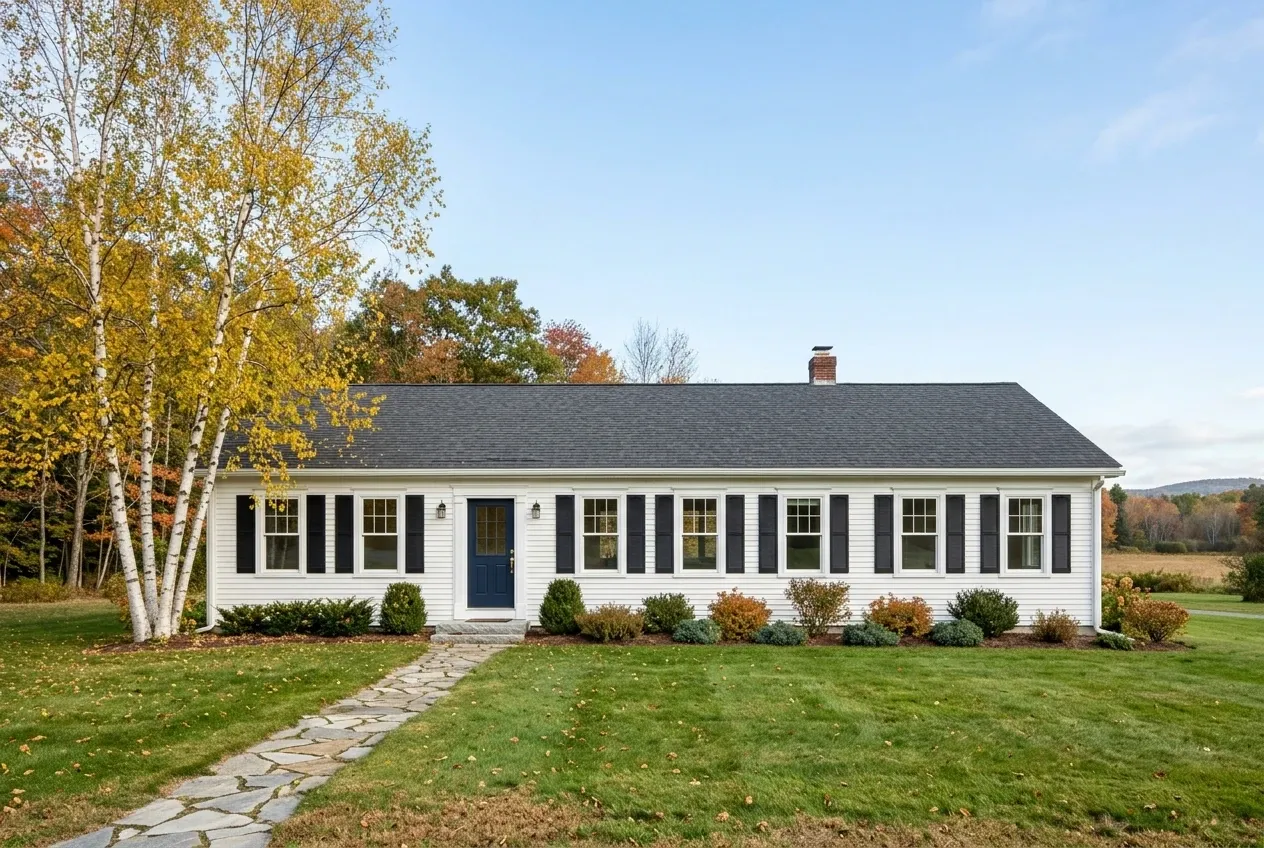
Vinyl Window Replacement
The frame that costs the least and never needs paint, fitted as an insert or full-frame by what the old sill shows. One to five windows average $5,000 to $15,000.
See Vinyl Window Replacement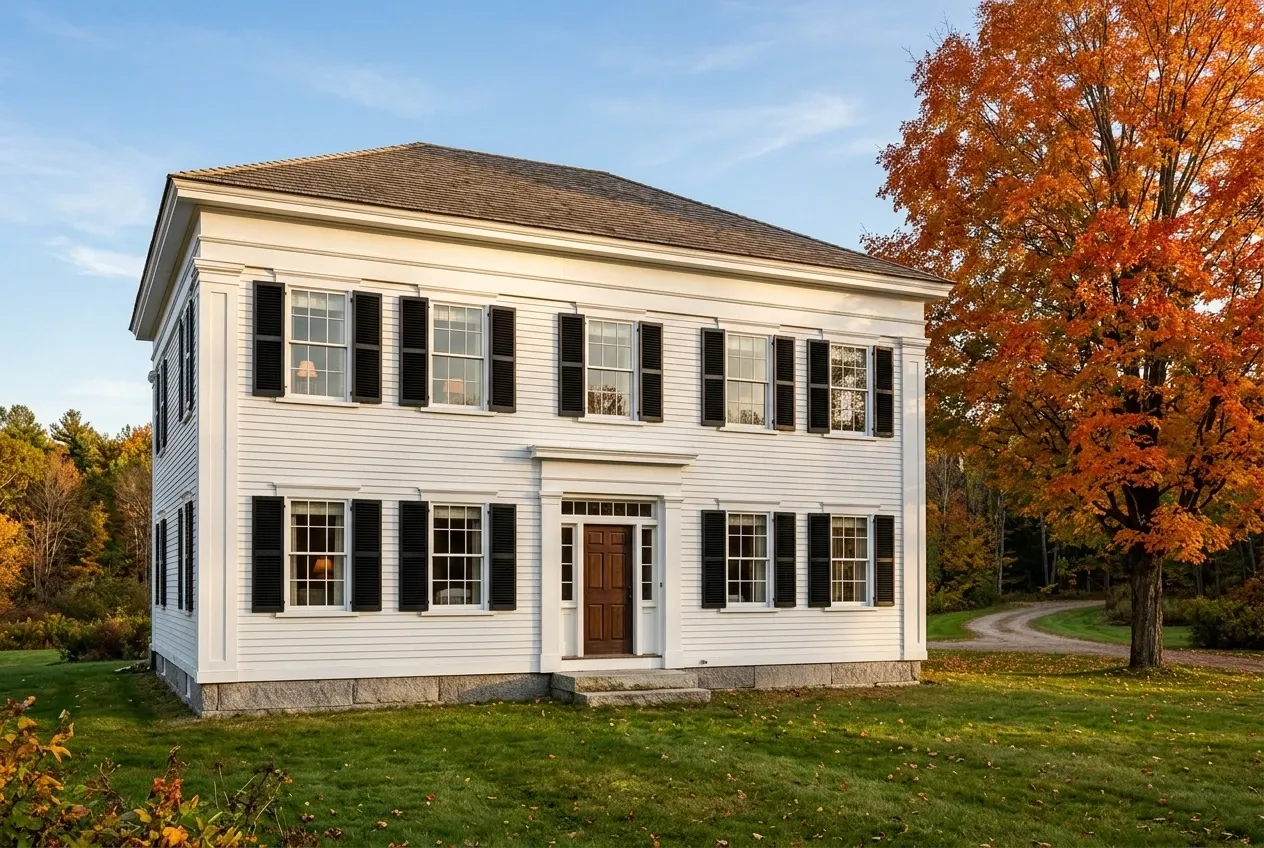
Wood Window Replacement
Wood inside and a clad skin outside, made to the six-over-six or two-over-two pattern an old house already wears. All 15 to 25 windows in a house average $28,000 to $65,000.
See Wood Window Replacement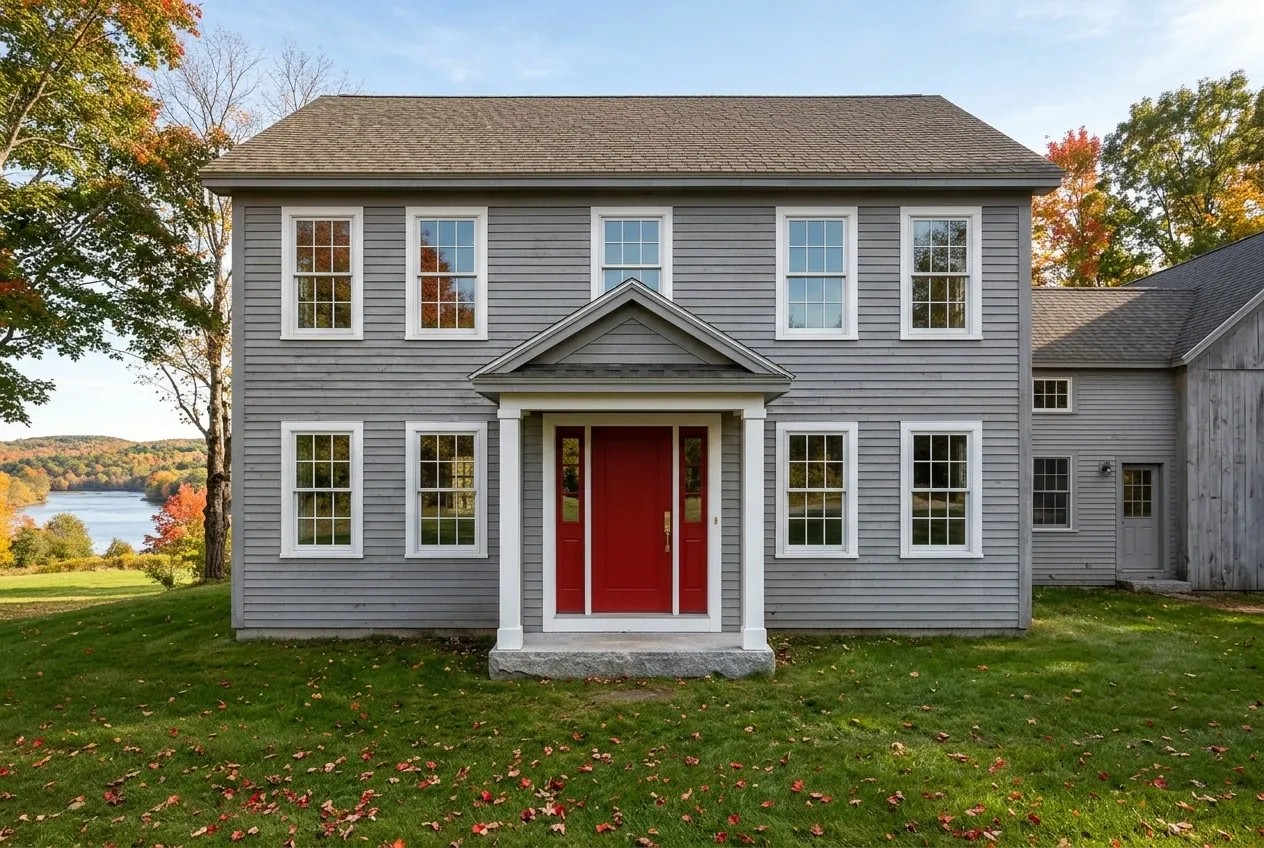
Entry Door Replacement
Front and side doors judged from the threshold up: a slab swap when the frame is sound, a full prehung system when it is not. Installed, they average $3,500 to $12,000.
See Entry Door ReplacementServing 21 towns across Kennebec and Lincoln counties
From Hallowell out to every town on our list, each with its own page, prices and permit notes.
How Do We Pick Vinyl, Fiberglass or Wood-Clad With You?
We pick vinyl, fiberglass or wood-clad with you by reading the house before the price list: how old it is, what pane pattern its street side shows, and how much painting you want to keep doing. For most capes, ranches and newer colonials in the capital area our answer is vinyl, and wood-clad is our answer for the front of a Greek Revival or Federal house.
Vinyl window replacement is our least costly route, and it fits the plain double-hungs most of those houses carry. A very wide opening is the exception, since Fine Homebuilding's Martin Holladay found that a vinyl window 6 feet wide can expand by about a quarter inch between winter and summer, and that big vinyl units need metal reinforcement.
Fiberglass costs more than vinyl and less than wood-clad. Sean Groom's 2009 buyer's guide in Fine Homebuilding found that it moves with heat and cold at nearly the same rate as glass and that it can be painted, so it is our pick for a wide opening or a dark exterior color.
Wood-clad units, the heart of our wood window replacement work, cost the most of the three and are worth it where the pane pattern is the face of the house, the six-over-six sash on a Greek Revival or the two-over-two on an Italianate. Clad means wood on the room side with a weather skin outside, so the inside can be painted or stained like the old sash.
A National Register listing alone places no federal restriction on what a private owner does, the National Park Service says. Local rules are another matter, so on an old in-town street we call the code office before any old window comes out.
What If an Old Window Might Be Worth Keeping?
If an old window might be worth keeping, we test it before we price it: an awl in the sill and the bottom rail of the sash, a square across the frame, and a look at the glazing putty and the cords. Paint fools people here, and Preservation Brief 9, a National Park Service guide, says flaking paint should not be read as a sign the wood beneath is beyond repair.
When the sash and sill test sound, keeping the window is our advice, and Brief 9 adds that an exterior storm window over it is reversible and keeps the original in place. We do not restore old sash, so a window worth keeping never appears on our price.
An insert, a complete new window set inside the old frame, is our answer for a frame that tests square and dry around a sash that has given out. The casing and the plaster around it stay as they are, and the glass loses a little on each side.
Full-frame is our answer for a soft sill or a frame out of square: the old unit and its frame come out to the rough opening, the framed gap the window sits in, then a sill pan goes in and flashing tape ties the opening into the house wrap ahead of the new window. If rot turns up behind the old unit, you see it before we go on, and its repair gets a written price first.
An old front door is judged the same way, from the threshold up, and our entry door replacement page explains when a new slab will do. If you cannot tell which of the three fits, pick "A door", "A few windows" or "Every window" when you ask for an estimate, and the visit settles the rest.
Which windows should your house get?
Tell us the town and how many windows. We measure every opening first, then put the scope and the price in writing.